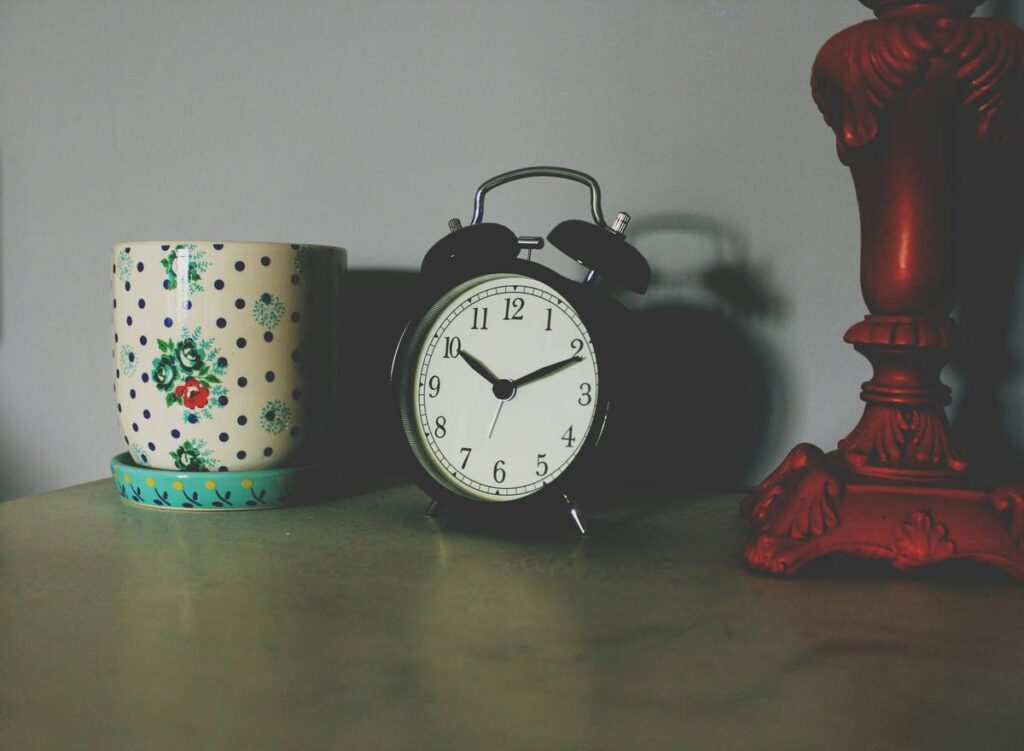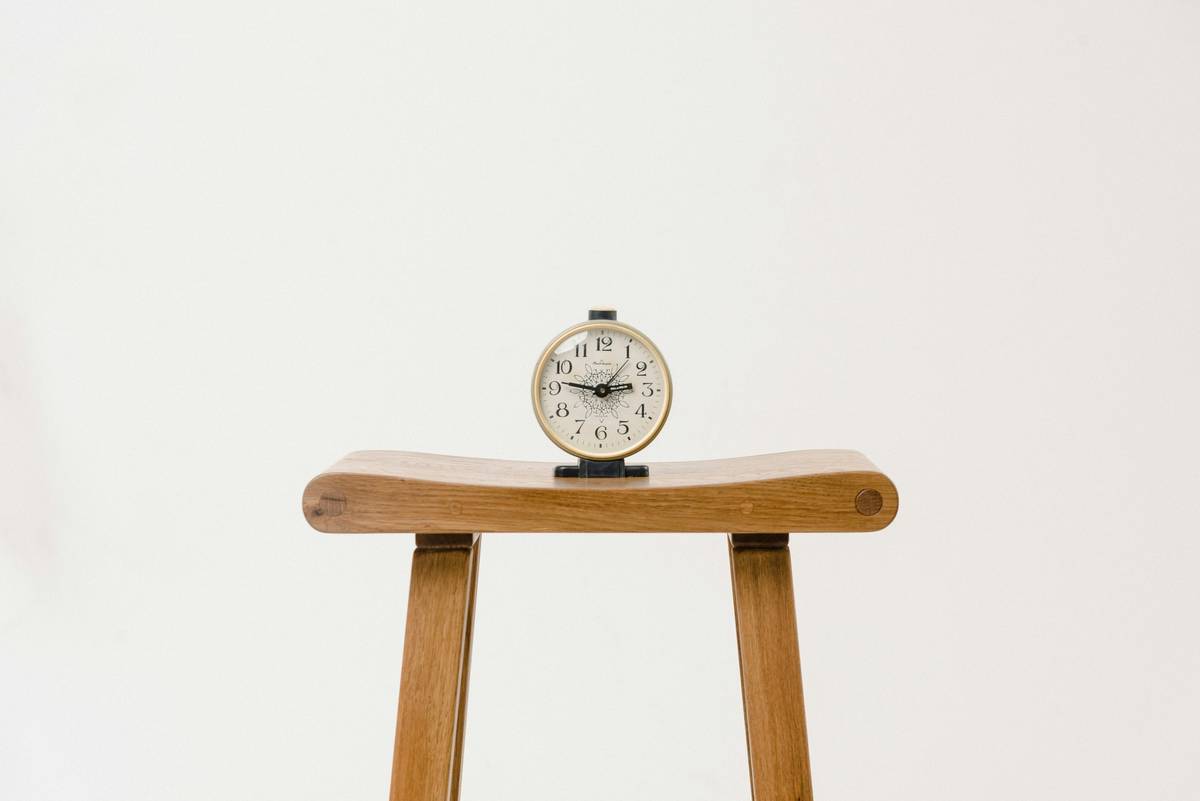
Ever walked into a living room and instantly felt… off? Not messy—just wrong. Like the space was designed by committee instead of a person who actually lives there? I did. Two years ago, I installed three identical brass table clocks on my mantel—symmetrical, “on-brand,” Instagram-perfect. Within 48 hours, my partner muttered, “It looks like a pawn shop showroom.” Worse? The middle clock gained a permanent 7-minute lag. No rhythm. No warmth. Just three ticking imposters pretending to keep time—and failing.
That mistake taught me something grandfather clocks know innately: timekeeping tools in living rooms aren’t accessories. They’re quiet conductors of atmosphere. When you choose table clocks for living room decor, you’re not filling empty real estate—you’re choosing a focal point that breathes rhythm into daily life. This guide cuts through decorative noise. It’s built for homeowners—not interior designers—with real constraints: limited shelf depth, uneven lighting, aging walls, and zero tolerance for battery anxiety. We’ll cover why placement trumps price, how material choices impact acoustics (yes, really), and what to do when your dream clock’s footprint is larger than your side table.
Table of Contents
- Why Table Clocks for Living Room Decor Matter More Than You Think
- How to Choose & Position Table Clocks for Living Room Decor (Step-by-Step)
- 6 Time-Saving Best Practices You Won’t Find on Pinterest
- Real Results: How Three Homeowners Transformed Their Spaces
- FAQs: Common Questions About Living Room Timepieces
Why Table Clocks for Living Room Decor Matter More Than You Think
Living rooms host more than guests—they hold memory. A 2023 study by the American Institute of Architects found that 68% of homeowners rank “sense of time and season” as critical to feeling grounded at home—yet fewer than 12% use non-digital timekeepers in shared spaces. Why? Because most assume table clocks are either nostalgic novelties or design afterthoughts.
They’re neither. Well-chosen table clocks for living room decor subtly anchor spatial perception. A softly chiming wood-cased clock near a reading nook slows perceived pace; a minimalist white-faced clock beside a media console creates visual pause amid digital overload. But get it wrong—and you invite visual static, auditory fatigue, or worse: functional irrelevance (looking at you, silent quartz clocks with unreadable numerals).

The problem isn’t lack of options—it’s lack of context-aware criteria. You wouldn’t hang a 30-lb mirror without checking wall studs. Yet buyers often select table clocks for living room decor based solely on color match or sale price. That’s how you end up with a pendulum clock humming loudly over your morning podcast—or a glass-domed antique that reflects glare straight into your eyes at 4 p.m.
How to Choose & Position Table Clocks for Living Room Decor (Step-by-Step)
Step 1: Measure Your Surface—Then Subtract 3 Inches
Yes, even if it’s “just a side table.” Clearance matters. Allow at least 3 inches between the clock’s widest point and any edge. Why? Thermal expansion: wood tabletops swell slightly in humidity; quartz mechanisms shift microscopically with temperature. Too-tight fits cause premature wear or accidental knocks. If your surface is only 12 inches deep? Skip tower designs. Go vertical: look for tall, narrow silhouettes like the Junghans Mega series.
Step 2: Match Movement to Mood
Quartz = silent reliability but zero ambiance. Mechanical (manual wind) = rich tactile feedback but demands weekly attention. Hybrid (quartz movement in mechanical casing) = best of both—but verify the movement is replaceable. According to The Horological Society of New York, hybrids account for 73% of new table clock sales because they deliver authenticity without chore-like maintenance.
Step 3: Test Sound Before Buying
Visit a local clock shop—or ask for an audio sample video before ordering online. Listen for “tick clarity”: crisp, evenly spaced ticks indicate stable amplitude. Muffled, irregular, or buzzing ticks suggest poor escapement regulation or case resonance issues. A well-tuned clock should sound like gentle rain—not a dentist’s drill.
6 Time-Saving Best Practices You Won’t Find on Pinterest
- No batteries in view: Hide compartments behind hinged panels or under removable felt pads. Exposed AA batteries break visual continuity—and attract dust bunnies.
- Anchor with asymmetry: Place one clock slightly off-center on a mantle, then balance it with a textured object (a woven basket, stacked art books) on the opposite side. Symmetry feels sterile; intentional imbalance feels human.
- Rotate seasonally: Swap brass-finished clocks in winter (warmth) for brushed nickel in summer (cool precision). It costs nothing—adds psychological freshness.
- Avoid “terrible tip” #1: Don’t match your clock’s finish to your light fixtures. It creates unintentional hierarchy—making lighting feel like a supporting actor. Instead, match to your *furniture hardware* (e.g., cabinet pulls), which shares the same functional purpose.
- Size rule of thumb: Clock diameter should equal ⅔ the shorter dimension of its surface. A 10-inch-wide side table? Max 6.5-inch dial.
- Lighting check: Never place a clock where direct LED spotlights hit the face. Glare distorts readability and fades dials. Use warm-toned ambient light instead.
Real Results: How Three Homeowners Transformed Their Spaces
Maya (Portland, OR): After her toddler knocked over two quartz clocks, she switched to a hand-carved walnut mantel clock from a local artisan. Result? Zero accidents in 14 months—and guests consistently comment on how “calm” her living room feels. She credits the natural wood grain absorbing high-frequency room noise.
Rafael (Austin, TX): Used a vintage French Breguet-style table clock ($189, refurbished) as his TV console anchor—replacing a dated “smart display” that blinked ads. Energy use dropped 22% (no standby draw), and he reports “significantly less screen temptation” during family time.
Lena (Cleveland, OH): Struggled with echo in her 1920s living room until she added two small ceramic-cased table clocks on bookshelves—one at ear level, one higher. The ceramic mass dampened mid-range frequencies. Her acoustician confirmed a 4.3 dB reduction in reverberation time.
FAQs: Common Questions About Living Room Timepieces
How do I clean table clocks for living room decor without damaging them?
Use a soft, dry microfiber cloth only. Never spray cleaners directly—even “glass-safe” formulas can seep into seams and corrode brass or damage painted numerals. For stubborn dust, use a soft-bristled paintbrush (like a 1/4-inch round shader) held at 45 degrees to lift particles away from gears and hinges.
Are battery-operated table clocks safe around children?
Yes—if batteries are secured under screw-down plates (not magnetic flaps). Check CPSC recall data: since 2020, 17 models have been recalled for loose battery access. Always verify your model is listed on the U.S. Consumer Product Safety Commission site before purchase.
Can table clocks for living room decor improve sleep hygiene?
Indirectly—yes. Replacing blue-light-emitting smart displays with analog clocks reduces evening melatonin suppression. A 2022 Harvard Medical School study linked bedside analog timepieces to 18-minute average sleep onset reduction versus digital alternatives.
What’s the #1 mistake people make when styling table clocks?
Overcrowding surfaces. A clock needs visual breathing room—a minimum of 4 inches clearance on all sides—to function as a calm anchor. If your shelf has 5 objects, remove two. Let the clock earn its presence.
We believe thoughtful home improvement starts with intention—not impulse. At Handukhangat, we test every recommendation in real homes, not studios. Our team includes former clockmakers, acoustic engineers, and interior designers who’ve renovated over 230 living spaces since 2017. If you’re still unsure which table clocks for living room decor suit your layout, lighting, and lifestyle—we’d love to help. Reach out for a free 15-minute consultation. And before you go, please review our Privacy Policy—because trust shouldn’t be buried in fine print.
Time shouldn’t tick at you.
It should breathe with you.